Where Did the 30-Gram Protein Absorption Limit Come From?
If you have spent any time in fitness circles, you have probably heard some version of this rule: your body can only absorb 20 to 30 grams of protein per meal, so anything beyond that is wasted. It is one of the most persistent myths in sports nutrition, repeated in gym locker rooms, fitness magazines, and even by well-meaning coaches.
The claim likely originated from early research on muscle protein synthesis — specifically, studies that found muscle protein synthesis was maximized with relatively modest protein doses in young men at rest. From there, the idea was oversimplified and distorted: if MPS plateaus at a certain dose, then excess protein must be wasted.
That logic has two major flaws. First, muscle protein synthesis is not the only thing your body does with dietary protein. Second, the early studies used fast-digesting proteins under controlled conditions that do not reflect a real meal in a real person on a real training day.
The actual evidence tells a more nuanced story — one that has significant practical implications for how you structure your meals, your total daily intake, and your approach to protein timing around training.
MPS studies
The myth originated from early muscle protein synthesis research that was misapplied and oversimplified in popular fitness media.
MPS ≠ absorption
Muscle protein synthesis reaching a plateau at a given dose does not mean the remaining protein is wasted — the body uses protein for many other processes.
It depends
How much protein your body can use per meal depends on protein source, meal composition, body mass, training status, and total daily intake.
How Does Protein Digestion and Absorption Actually Work?
Your gastrointestinal tract is remarkably efficient at extracting amino acids from food. Protein is broken down by stomach acid and digestive enzymes into individual amino acids and small peptides, which are absorbed through the walls of the small intestine into the bloodstream. This process does not have a meaningful cap — your body will continue digesting and absorbing protein from a meal for as long as it takes, adjusting the rate of gastric emptying and intestinal transit based on what is in the meal.
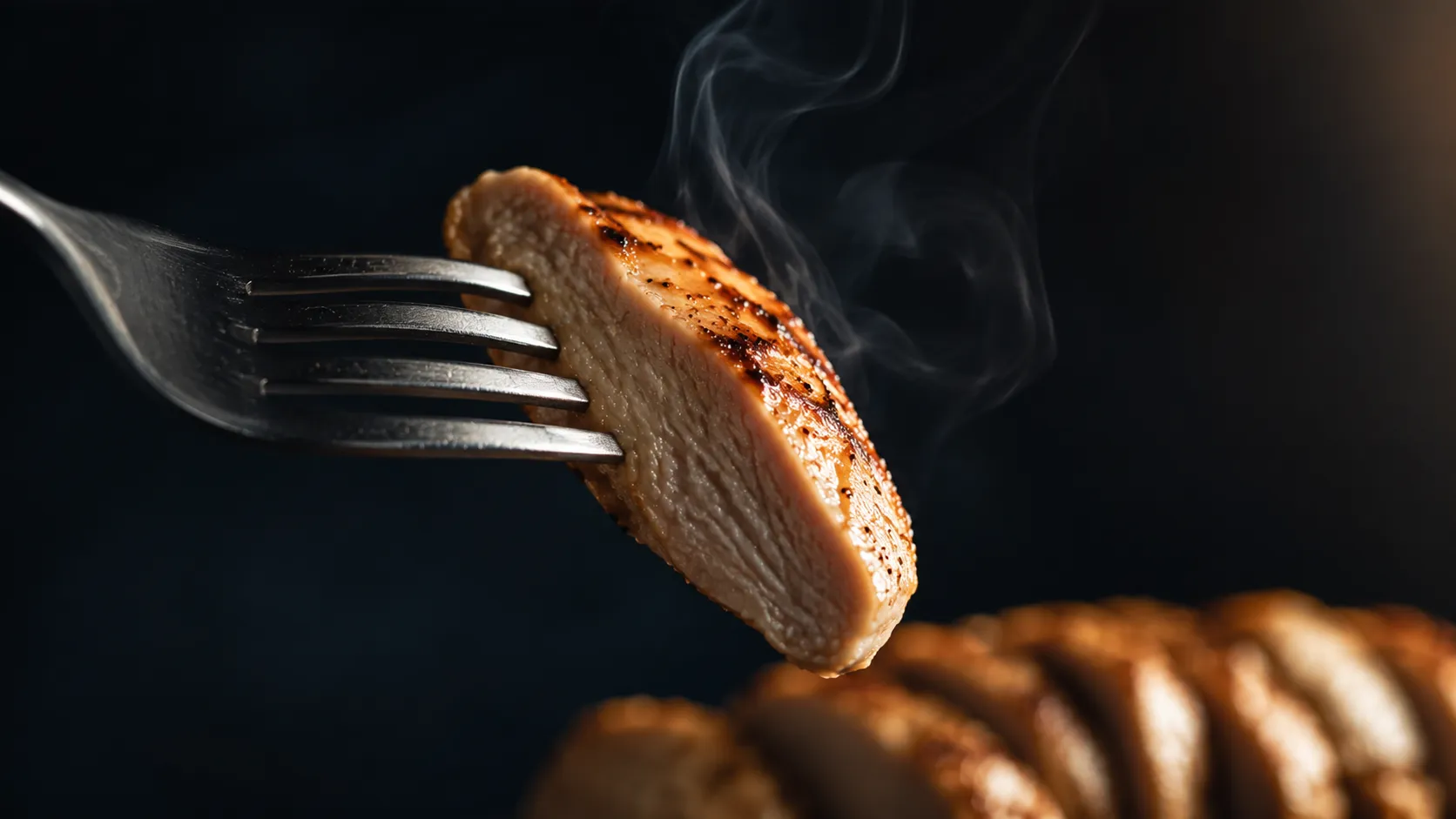
What actually varies is the rate of absorption, not the ceiling. Whey protein is absorbed rapidly — roughly 8 to 10 grams per hour. Casein, found in milk and dairy, is absorbed much more slowly — around 6 grams per hour — because it forms a gel in the stomach that slows gastric emptying. Whole food protein sources like chicken, beef, and eggs digest even more gradually because of the food matrix they come embedded in.
A larger meal — one that includes fat, fiber, and complex carbohydrates alongside protein — slows digestion further. This means your body can be absorbing amino acids from a single meal for four to six hours or more. There is no point at which the system shuts off and sends protein to the colon unused.
The small amount of protein that does escape absorption in the small intestine is fermented by bacteria in the large intestine. This produces some waste products, but it is a minor and highly variable fraction — not the bulk of a 50 or 80 gram serving being discarded because you exceeded an arbitrary cap.
8-10 g/hr
Whey protein is absorbed at roughly 8 to 10 grams per hour — fast relative to whole food sources.
~6 g/hr
Casein digests slowly at around 6 grams per hour due to gel formation in the stomach, extending amino acid delivery.
4-6+ hours
A mixed whole food meal containing fat, fiber, and carbohydrates can deliver amino acids to the bloodstream for 4 to 6 hours or more.
How Does Protein Dose Affect Muscle Protein Synthesis?
Muscle protein synthesis is the process by which your body builds new muscle proteins, and it is driven primarily by two inputs: mechanical tension from training and amino acids from dietary protein, particularly the essential amino acid leucine, which acts as the primary trigger for the mTOR signaling pathway.
Early research suggested that MPS was maximized with around 20 grams of whey protein in young men at rest, and that doubling the dose to 40 grams produced little additional benefit. This is the foundational study that spawned the 30-gram myth. But the conditions matter enormously: resting state, young males, and fast-digesting isolated whey protein.
A 2016 study by Witard et al. confirmed that 40 grams of whey protein stimulated greater whole-body protein synthesis than 20 grams following resistance exercise, particularly in a fed state. A 2019 study by Moore et al. found that larger protein doses continued to stimulate muscle protein synthesis beyond the amounts seen in earlier research, suggesting the dose-response curve is not as flat as previously assumed — especially after training.
Body size also matters. Larger individuals with greater lean mass have more muscle tissue turning over at any given time. The protein dose that maximizes MPS in a 140 lb woman is likely different from what is needed for a 220 lb man. Extrapolating flat recommendations across different body masses makes little physiological sense.
The key practical implication: if you eat a large protein-rich meal, your body does not waste the excess above some arbitrary threshold. It processes it more slowly, uses it for tissue repair and other protein-dependent processes, and continues driving MPS over the hours following the meal.
20-30 g
Early MPS studies in resting young men used isolated whey and found diminishing returns above ~20 grams — but this does not translate directly to real meals.
40+ g
More recent research shows larger protein doses continue stimulating MPS above 40 grams, particularly following resistance exercise.
Body mass
Larger individuals with more lean mass may require meaningfully more protein per meal to maximally stimulate MPS.
Does Per-Meal Protein Matter More Than Total Daily Protein?
The short answer is that total daily protein intake is the primary driver of muscle growth and retention, and per-meal distribution matters less than the 30-gram myth implies — but distribution is not entirely irrelevant.
A 2020 meta-analysis by Morton et al. found that total daily protein intake was the strongest predictor of lean mass gains in response to resistance training. When total intake was equated, the distribution across meals had a smaller but still meaningful effect. Spreading protein across multiple meals rather than concentrating it in one or two large feeds produced slightly better outcomes on average.
The most current practical guidance from researchers like Dr. Stuart Phillips and Dr. Brad Schoenfeld suggests targeting 0.4 grams of protein per kilogram of body weight per meal across 3 to 5 meals per day. For a 90 kg athlete, that is roughly 36 grams per meal — well above the old 30-gram cap, and structured to maximize the total anabolic stimulus across the day.
What this means practically is that skipping breakfast and cramming 150 grams of protein into two meals is probably less effective than spreading the same intake across four meals — but it is not catastrophic. The difference is at the margins. If your choice is between hitting your total daily protein inconsistently or hitting it reliably in two meals, the total intake matters more.
Leucine threshold is the most important per-meal consideration. Each meal needs enough leucine to trigger the MPS signaling cascade. Roughly 2 to 3 grams of leucine per meal is typically sufficient — achievable with around 20 to 40 grams of most quality protein sources. This is why per-meal minimums matter more than per-meal maximums.
1.6-2.2 g/kg
Current evidence-based recommendations for daily protein intake in strength athletes range from 1.6 to 2.2 grams per kilogram of body weight.
0.4 g/kg
Roughly 0.4 grams per kilogram per meal across 3 to 5 meals is a practical distribution target to maximize daily anabolic stimulus.
2-3 g
Each meal needs approximately 2 to 3 grams of leucine to reliably trigger the muscle protein synthesis signaling cascade.
Does Protein Source Affect How Much You Can Use Per Meal?
Protein source matters in two ways: amino acid profile and digestion rate. Both affect how much of a given protein serving actually drives muscle protein synthesis.
High-quality protein sources — those containing all essential amino acids in adequate proportions — include animal-based proteins like chicken, beef, eggs, dairy, and fish, as well as soy and a small number of plant-based blends. Lower-quality sources like wheat, rice, or pea protein in isolation are lower in one or more essential amino acids, particularly leucine and lysine, which limits their anabolic effect per gram.
This is why gram-for-gram comparisons between protein sources can be misleading. Twenty grams of whey protein delivers a different leucine content and different amino acid profile than 20 grams of protein from a plant blend. If your diet relies heavily on plant-based proteins, you may need to consume more total protein per meal and per day to reach the same anabolic stimulus as a lower total from high-quality animal sources.
Digestion rate also shapes the per-meal response. A slow-digesting protein source — like cottage cheese before bed or a whole food meal rich in protein — extends the window of amino acid delivery, which can be beneficial for overnight recovery or between long gaps in eating. A fast-digesting source like whey may be preferable immediately post-training when you want a rapid amino acid spike.
The practical takeaway: prioritize complete protein sources at most meals, make sure each meal has enough leucine-rich protein to trigger MPS, and use digestion speed strategically based on context. Do not worry about arbitrary gram caps.
Complete proteins
Animal proteins and soy provide all essential amino acids — most plant proteins are incomplete and require combining or higher doses.
Whey
Whey protein digests quickly, making it well-suited for post-workout windows when a rapid amino acid spike is beneficial.
Casein / whole food
Casein and whole food proteins digest slowly, providing sustained amino acid delivery — useful before overnight fasting.
Does Protein Timing Around Training Still Matter?
The post-workout anabolic window — the idea that you have a narrow 30-minute window after training to consume protein or the session is wasted — has been largely debunked by more recent meta-analyses. The window is real but much wider than once believed.
A 2013 meta-analysis by Schoenfeld, Aragon, and Krieger found that when total daily protein intake was equated, the timing effect on muscle hypertrophy was not significant. The studies that did show a timing advantage often failed to control for total daily intake, meaning the effect may have simply been from eating more protein overall.
That said, a pre- or post-workout meal containing protein remains a sensible practical strategy — not because of a narrow window, but because trained muscles are more sensitive to amino acids for several hours after resistance exercise. Consuming 30 to 50 grams of quality protein within a few hours of training ensures that heightened sensitivity is met with adequate substrate.
If you trained fasted or ate your last meal more than four to five hours before your session, getting protein in relatively soon after training — within one to two hours — is more important than if you ate a high-protein meal an hour before lifting. In that case, the pre-workout protein still covers you for the post-workout window.
The most practical approach: make sure there is a quality protein meal within two to three hours on either side of your training session. Beyond that, total daily protein and distribution matter far more than hitting an exact post-workout minute mark.
3-5 hours
The post-workout anabolic window is real but spans several hours — not the 30-minute cutoff often cited in older advice.
30-50 g
Consuming 30 to 50 grams of quality protein within a few hours of training takes advantage of heightened muscle sensitivity.
Total intake
Total daily protein intake has a larger effect on muscle growth than precise post-workout timing when overall intake is adequate.
What Are Practical Per-Meal and Daily Protein Targets for Lifters?
For most strength athletes and physique-focused lifters, daily protein targets should sit between 1.6 and 2.2 grams per kilogram of body weight, with some research supporting up to 2.4 grams per kilogram during aggressive cuts when muscle retention is the priority.
For a 75 kg athlete, that is roughly 120 to 165 grams of protein per day. Spread across four meals, that is 30 to 41 grams per meal — which is right at or above the old myth's ceiling, and confirms that those targets are not only safe but appropriate for maximizing the anabolic stimulus throughout the day.
Per-meal targets should scale with body size. Smaller individuals may find that 30 to 40 grams per meal is sufficient to maximize MPS at each sitting. Larger individuals — particularly those above 90 to 100 kg — may benefit from 40 to 55 grams per meal. These are not hard upper limits; they are practical targets for optimizing the anabolic signal.
The quality of the protein sources matters as much as the gram count. A meal built around 40 grams of protein from chicken and eggs delivers a different amino acid profile and leucine content than 40 grams from a low-quality plant source. Prioritize complete proteins at most meals, and use protein quantity to compensate when relying on lower-quality sources.
For athletes in a calorie deficit, protein should be set first and calories adjusted around it. Muscle retention during a cut is primarily driven by maintaining adequate protein intake and training intensity — not by cutting protein to make room for other macros.
1.6-2.4 g/kg
Evidence-based daily protein range for strength athletes — the higher end applies during aggressive cuts when muscle retention is the priority.
3-5
Spreading daily protein across 3 to 5 meals distributes the anabolic stimulus throughout the day and keeps leucine thresholds met at each sitting.
30-55 g
Practical per-meal targets scale with body size — smaller athletes need 30 to 40 grams per meal, larger athletes may benefit from 40 to 55 grams.
What Does the Latest Research Show About Very Large Protein Doses?
A landmark 2023 study by Trommelen et al. published in Cell Reports Medicine directly tested the 30-gram limit with the most rigorous methodology applied to this question to date. Researchers gave participants a single dose of 100 grams of protein and tracked where every gram went over 12 hours. The result: virtually all of the protein was digested and absorbed. None was wasted. What differed was how the body allocated it.
At a 25-gram dose, most absorbed protein went toward muscle protein synthesis. At 100 grams, a smaller fraction went to MPS and more went to other protein-dependent processes — organ protein synthesis, urea production, and whole-body protein retention. Critically, net protein balance was still higher at the 100-gram dose than at 25 grams, just distributed differently across the body.
The most important finding: muscle protein synthesis from the 100-gram dose was still elevated 12 hours after ingestion, whereas the 25-gram dose had fully resolved within 5 hours. A larger dose does not produce a bigger acute MPS spike — it produces a longer sustained elevation. A very large protein meal does not waste the excess; it delivers it on a longer timeline.
This research does not change the practical recommendations for most lifters — spreading protein across multiple meals still optimizes the anabolic stimulus throughout the day. But it definitively closes the argument that eating 60 or 80 grams in one sitting is throwing half away. The body is considerably more resourceful than the myth suggests.
The practical takeaway: if you miss a meal and compensate with a larger feeding later, or if your schedule allows only two or three bigger meals rather than four to five smaller ones, the loss is marginal — not catastrophic. Total daily protein across the day still matters more than any individual meal ceiling.
100 g dose
A 100-gram single protein dose was almost entirely digested and absorbed over 12 hours — virtually no protein was wasted (Trommelen et al., Cell Reports Medicine, 2023).
12 hours
A 100-gram dose elevated muscle protein synthesis for approximately 12 hours versus 5 hours for a 25-gram dose — longer but lower-amplitude anabolic signal.
Higher at 100 g
Whole-body net protein balance was greater after a 100-gram dose than a 25-gram dose — more total protein was used, just distributed across more processes.
How Should Plant-Based Lifters Adjust Their Protein Targets?
Plant-based proteins present two specific challenges that change the math on per-meal targets: lower leucine content and incomplete amino acid profiles. Both affect how much anabolic signaling a given gram of protein actually delivers.
Leucine is the primary trigger for muscle protein synthesis via the mTOR pathway. Animal proteins — chicken, beef, eggs, dairy, fish — provide roughly 8 to 11% of protein as leucine. Most plant proteins deliver considerably less. Wheat protein is around 7%, rice around 7.5%, and pea protein around 8% — close enough to matter when targeting the 2 to 3 gram leucine threshold per meal that reliably triggers MPS.
The practical adjustment: plant-based lifters should target 20 to 40% more total protein per day than the standard 1.6 to 2.2 g/kg recommendation. That puts the working range at approximately 1.9 to 2.6 g/kg. Per meal, prioritize sources like soy, edamame, and lentils that deliver relatively more leucine per gram of protein.
Soy protein is the notable exception in the plant world. It contains all essential amino acids in adequate proportions and delivers leucine content close to whey. A diet built around tofu, tempeh, edamame, and soy protein isolate substantially closes the gap with animal-based protein without requiring a large increase in total intake.
Combining protein sources within meals also helps — rice plus legumes creates a more complete amino acid profile than either source alone. The key point is that what matters is the amino acid profile across the day. But for optimizing the per-meal MPS stimulus specifically, more complete sources at each sitting remain advantageous.
+20-40%
Plant-based lifters should target 20 to 40% more total daily protein than the standard recommendation to account for lower leucine density and incomplete profiles.
Soy
Soy provides all essential amino acids and leucine content close to whey — tofu, tempeh, edamame, and soy isolate are the most effective plant protein foundations.
7-8%
Most plant proteins provide 7 to 8% leucine by protein content versus 8 to 11% in animal proteins — a gap that matters when targeting the 2 to 3 gram per-meal leucine threshold.
Protein Absorption FAQ: Common Questions, Direct Answers
Does protein timing around training actually matter? Less than the old literature suggested. The post-workout anabolic window is real but spans several hours — not 30 minutes. If you ate a protein-rich meal within 2 to 3 hours before training, that meal is still actively delivering amino acids during and after your session. Total daily intake has a larger effect than precise timing when overall protein is adequate.
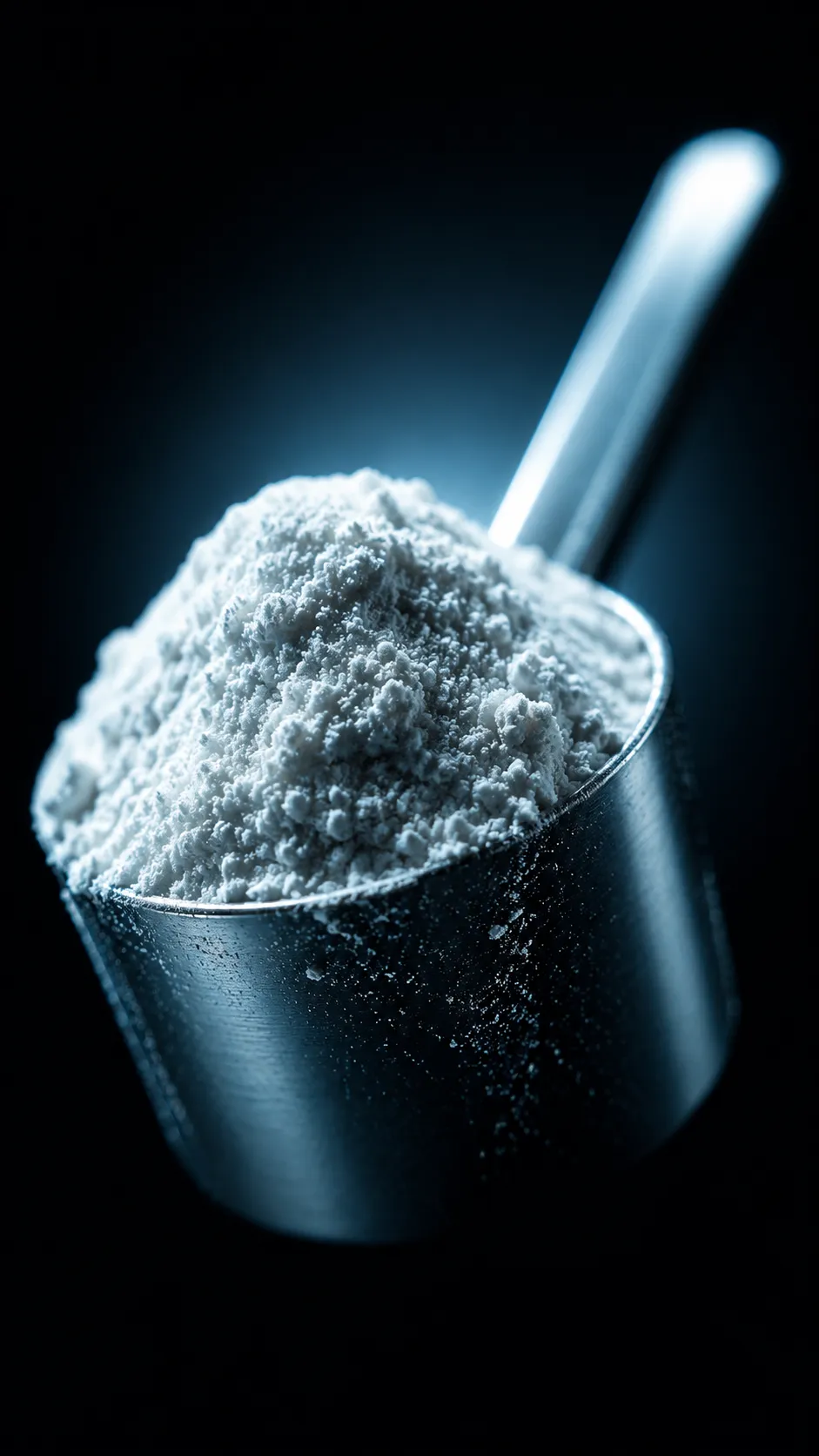
Is protein powder as effective as whole food protein? Per gram of leucine and essential amino acids, whey and casein are among the most effective sources available — comparable to or exceeding most whole foods on a per-gram basis. Whole foods bring additional micronutrients, fiber, and satiety that protein powder lacks. Use powder to fill gaps, not replace meals.
Can you eat too much protein? The research on protein in healthy adults is consistently reassuring. Studies have examined intakes up to 4.4 g/kg per day without adverse effects. The practical upper limit for most lifters is well above what is useful for muscle growth — the body excretes what it cannot use. The only population with meaningful risk is people with pre-existing kidney disease.
Does protein help with fat loss? Yes — protein is the most satiating macronutrient per calorie, has the highest thermic effect of any macronutrient (20 to 30% of calories burned during digestion), and preferentially preserves lean mass during a calorie deficit. These three effects make high protein one of the most evidence-backed strategies for fat loss with muscle retention.
How do you know if you are getting enough protein? The most direct signal is performance and body composition trend over 4 to 6 weeks. If you are training consistently, sleeping adequately, and not progressing — or losing strength during a cut faster than expected — inadequate protein is one of the first variables to investigate. A training log that tracks RPE alongside body weight trends makes this pattern visible without guesswork.
4.4 g/kg
Protein intakes up to 4.4 g/kg per day have been studied in healthy adults without adverse effects — well above the range useful for muscle growth.
20-30%
Protein burns 20 to 30% of its caloric value during digestion — significantly higher than fat at 0 to 3% or carbohydrate at 5 to 10%.
2-3 hours
The practical post-workout protein window spans 2 to 3 hours on either side of training — not the 30-minute cutoff from older recommendations.
What Is the Bottom Line on Protein Absorption Per Meal?
Your body does not discard protein above 30 grams per meal. It absorbs virtually all the protein you eat — the rate adjusts based on the protein source and meal composition, but there is no meaningful ceiling on absorption. The myth persists because it was built on a misapplication of early muscle protein synthesis research conducted in conditions that do not reflect real-world eating.
What you should care about instead: hitting your total daily protein target, making sure each meal contains enough leucine-rich complete protein to trigger the MPS signaling cascade, and distributing your intake across multiple meals rather than cramming it into one or two large feeds.
Per-meal targets should scale with your body size. For most intermediate lifters, 30 to 50 grams of quality protein per meal, spread across three to five meals per day, is a practical and well-supported approach. Do not limit your post-workout shake to 25 grams out of fear that the rest is wasted — it is not.
Protein source matters alongside quantity. High-quality complete proteins with adequate leucine deliver a stronger anabolic signal per gram than lower-quality incomplete sources. If your diet is plant-heavy, adjust total intake upward to compensate for the leucine and amino acid profile differences.
This article is educational and reflects the current research consensus in sports nutrition. Individual protein needs vary based on training age, body composition goals, total calorie intake, and health status. For clinical nutrition guidance, consult a registered dietitian with experience in sport.
30 g cap
The idea that protein above 30 grams per meal is wasted is not supported by the research — your body absorbs virtually all dietary protein.
Total daily
Total daily protein intake is the strongest predictor of muscle protein synthesis outcomes — distribution is secondary but still beneficial.
Leucine floor
Each meal needs roughly 2 to 3 grams of leucine to trigger MPS — this is the per-meal floor to focus on, not an arbitrary gram ceiling.