A clear ramp, not a hero's first week
The fastest way to get hurt is to walk back in and try to lift what you remembered lifting. You need a plan that starts conservative and ramps deliberately.
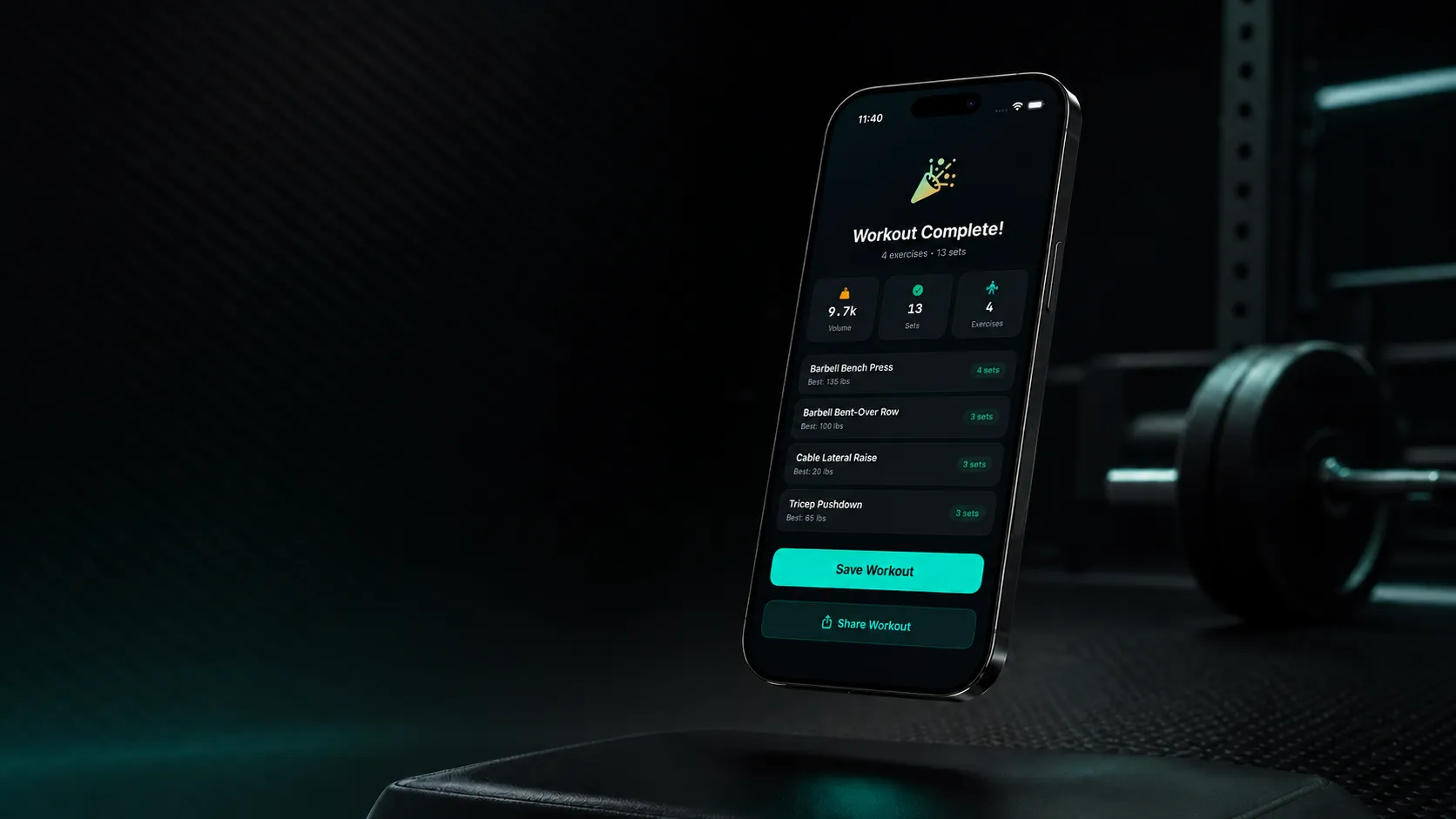
You took time off. Life happened. You're walking back into the gym tomorrow. SuperFlex's recovery tracker, ramp-back templates, and conservative progression engine help you rebuild the habit before you rebuild the weights.
Who this is for
Maybe it was an injury. Maybe a busy season at work. Maybe a kid. Maybe you just lost the plot for a while. You're back now, or trying to be. The hardest part isn't walking into the gym — it's not walking out with a tweaked back because you tried to pick up where you left off.
SuperFlex is built to help you ramp deliberately. No leaderboards comparing you to your past self. No streak counter shaming you for the months off. Just clear templates, a recovery model that respects how detrained muscles behave, and a logger that captures every small win on the way back.
What you need
The fastest way to get hurt is to walk back in and try to lift what you remembered lifting. You need a plan that starts conservative and ramps deliberately.
Detrained muscles get sore for longer. You need a clear signal that your quads are still wrecked from Tuesday before you commit to squat Thursday.
You're trying to get back into the gym, not study for a programming exam. Proven splits with sensible defaults beat building from scratch.
You're not chasing a PR in week three. You're chasing consistency — and the proof that you're showing up. The trend line is the win.
You don't need a leaderboard. You don't need a feed of lifters benching three plates while you're rebuilding from one. You need quiet, private tools.
An eight-week ramp back
A deliberate progression from "trying again" to a real training baseline.
Apply the 'Returning Lifter — Week 1' template (full-body, 3 working sets at RPE 6–7, mostly compound lifts). Two sessions this week, deliberately easy. You're rebuilding the habit and waking up the nervous system, not setting PRs.
Step up to three sessions. SuperFlex's previous-session fill shows last week's weights — you keep them the same, add a working set, and stop one or two reps shy of failure. The recovery tracker shows fewer Fatigued flags than last week.
Apply the Upper/Lower template. Four sessions this week. You're starting to chase small jumps in weight on the main lifts. Estimated 1RM charts have enough data points to start drawing a line. The slope is up.
Take your first progress photos with the guided overlay so they're consistent going forward. Log body weight. Look at the analytics tab — total workouts, volume per muscle, top 1RMs. You've shown up 12 times in 4 weeks. That's the win.
Two months in, you're back to a real training baseline. Switch into a strength-focused or hypertrophy-focused template depending on the goal. The recovery tracker, the photo timeline, and the 1RM curves are all running in the background. You have data and momentum.
Features that matter most
Why not just wing it
The most common returning-lifter mistake is doing too much, too fast, in week one — riding the motivation wave straight into an injury or a level of soreness that derails week two. An app that pre-fills your last session, shows you your recovery state, and recommends conservative weight jumps isn't fancy. It's the boring infrastructure that keeps the habit alive past the first month, which is when most comebacks stick or collapse.
FAQ
SuperFlex is available now on iPhone. Download free and rebuild consistency with recovery-aware training tools.
Download on the App Store